
Exploring the Ancient World: A New Series of Bible Archaeology Talks
We’re launching a new series of talks that take you deep into the ancient world of the Bible—examining the stories of Joseph, the Exodus, and the United Monarchy through archaeology, historical timelines, and on‑location research.
These sessions are designed to explore a central question:
What evidence do we find in the ancient world that supports the stories told in the Bible?
Joseph: From Canaan to Egypt
We begin with the world of Joseph, set against the backdrop of Middle Bronze Age Canaan and the powerful Egyptian kingdoms. Archaeology, inscriptions, and cultural history help illuminate the environment in which Joseph’s story unfolds.
The Exodus: Tracing an Ancient Journey
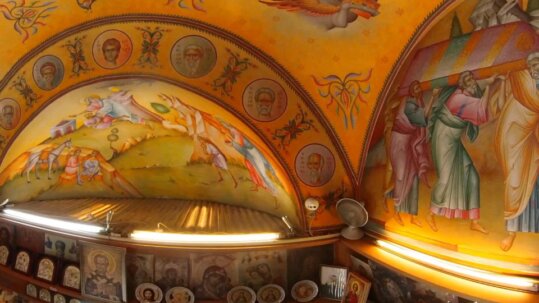
Next, we examine the Exodus—one of the most iconic and debated events in Biblical history. By exploring geography, ancient records, and archaeological discoveries, we look at how the timeline of the Exodus fits into the wider history of Egypt and the Near East.
The United Monarchy: Saul, David, and Solomon
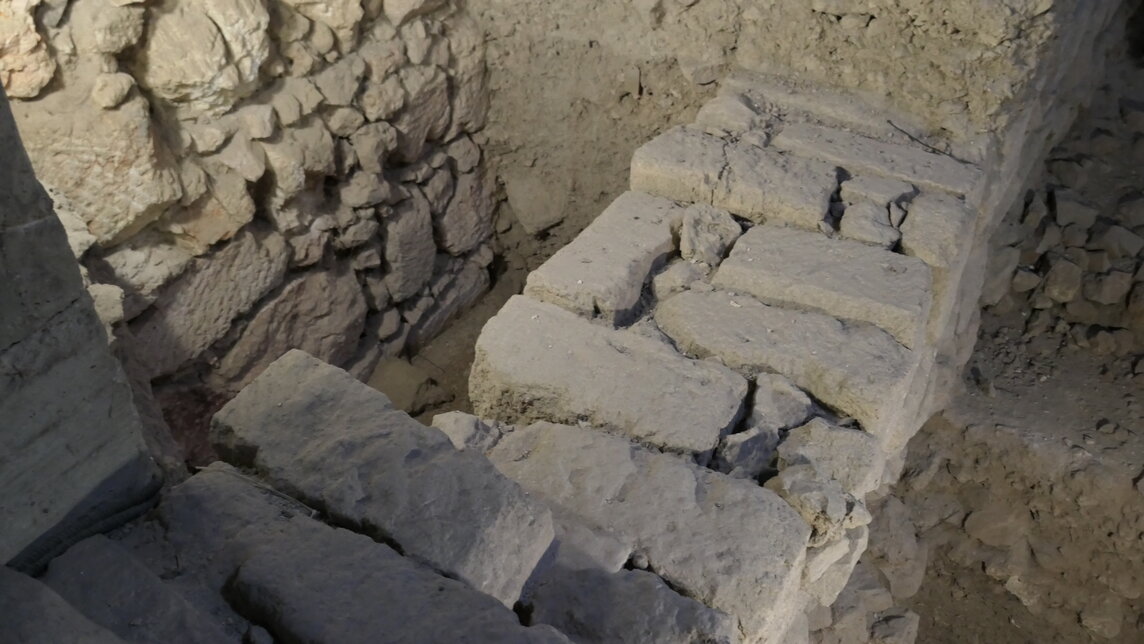
Our final talk focuses on the rise of Israel’s early kings. Drawing on excavations across Israel, including the City of David, we explore what archaeology reveals about the reigns of Saul, David, and Solomon and the formation of the early kingdom.
Bringing the Bible to Life
Across the series, we combine archaeology, historical timelines, and visual storytelling to bring the Biblical world into sharper focus. These talks aim to make ancient history accessible, engaging, and deeply connected to the text of Scripture.
More details and dates will be announced shortly.
A Short Talk on the History of Israel
Here’s a short video from one of my recent talks on the history of Israel. In this session, I explore how archaeology, geography, and ancient records help us understand the world of the Bible. From the early patriarchs to the rise of the Israelite kingdom, the talk highlights key discoveries that bring the Biblical narrative into sharper focus and show how the ancient world supports the stories we read today.